September 2, 2026 - Employee Spotlight

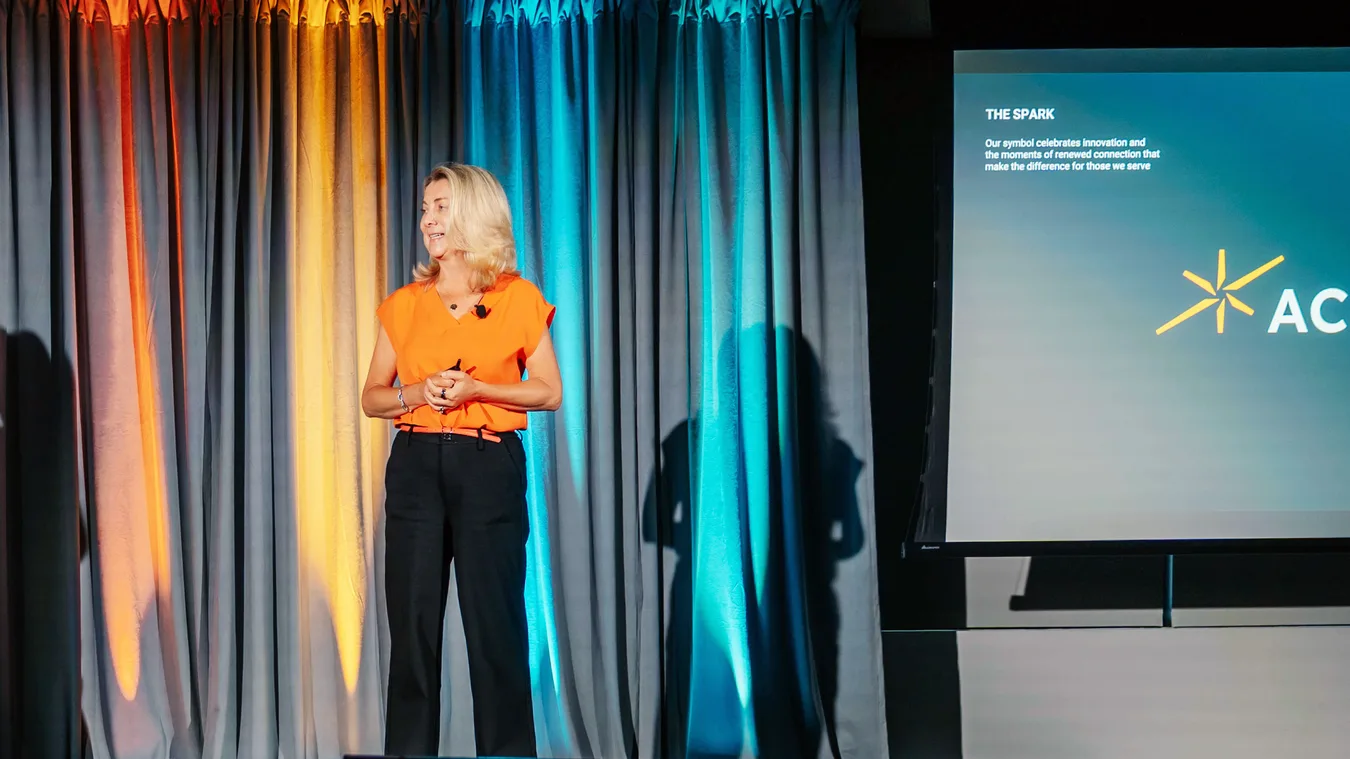
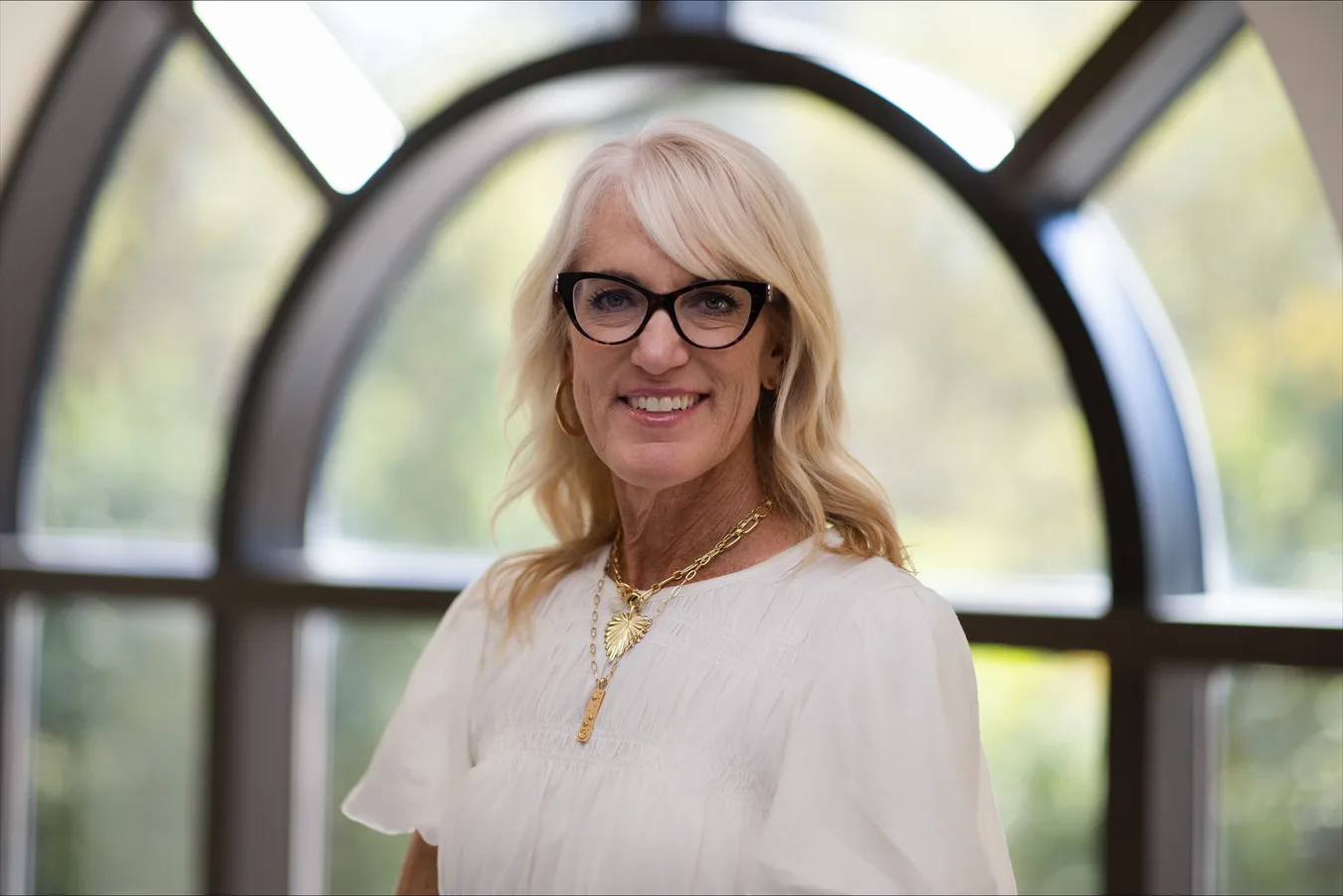
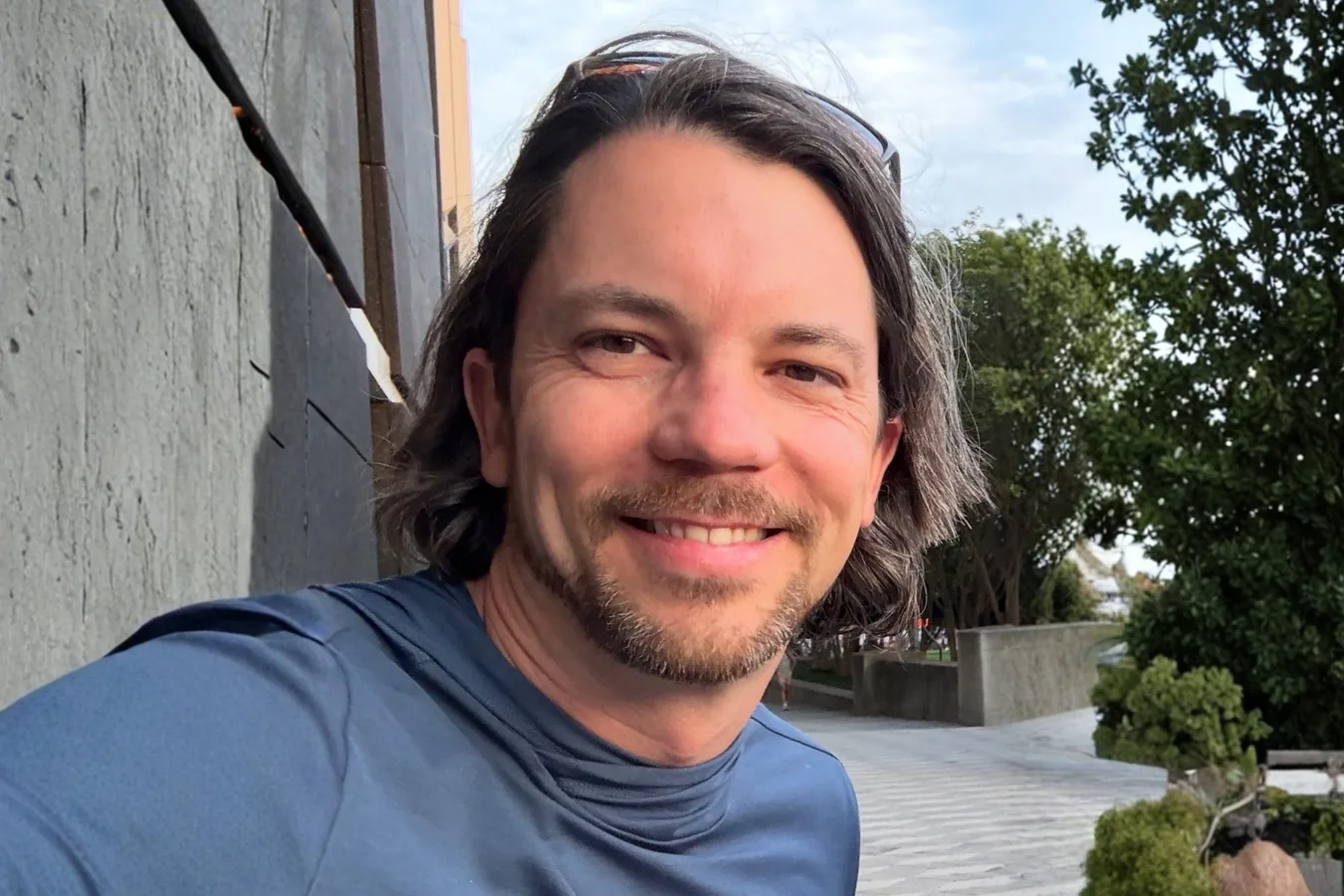
Michele Scaliti, Executive Long-Term Care Specialist, and Matt Jaco, Senior Medical Science Liaison, entered long-term care through different professional paths. Years later, both continue to find challenge, growth, and fulfillment in a field that requires equal parts education, collaboration, persistence, and curiosity.
Few people understand long-term care until they work in it. The ones who do tend to stay. Professionals arrive from pharmacy, nursing, and sales. What often keeps them there is the complexity: every facility operates a little differently, and every care team has its own dynamics.
Michele joined Acadia in 2017 after spending years working in the long-term care market. Matt, a pharmacist by training, spent 15 years as a consultant pharmacist serving skilled nursing facilities and assisted living communities before joining Acadia as a Senior Medical Science Liaison. Although their roles are different, both describe long-term care as a place where learning never stops and where the work remains engaging long after the first day on the job.
Not for the faint of heart
Michele is direct about what the field demands.
"Long-term care is very complex and it's not for the faint of heart," she says. "It is a challenging market space, but I think all the people in long-term care are very passionate about treating this very vulnerable patient population and serving them. It's a special place to be."
Prior to joining Acadia, she knew she enjoyed the long-term care setting and appreciated the opportunity to work alongside healthcare professionals caring for residents every day. Acadia's size, culture, and commitment to the patients made the opportunity appealing.
"I like the LTC market," Michele says. "I've been in it for many years. I liked that Acadia was a small company, and I liked the long-term care space. All those things kind of added up and it just seemed like the right decision for me."
Matt arrived at long-term care through pharmacy. During his years as a consultant pharmacist, he worked with facility teams, providers, and caregivers across a range of settings. As the years passed, he realized he wasn't interested in leaving the field.
"I really like to say I've been in long-term care my whole career," he says. "Long-term care was kind of my wheelhouse."
What kept him there was the opportunity to work in an environment that constantly evolves while remaining closely connected to resident care.
"I think long-term care is a special place in pharmacy in general," he says. "You've got a really unique opportunity to make a difference."
We can't treat what we don't know we're treating
A common thread in both Michele’s and Matt’s experiences is education.
For Michele, many of the most productive conversations begin by helping healthcare professionals better understand Parkinson's disease psychosis and recognize symptoms that may otherwise be overlooked. As a Long-Term Care Specialist, much of her role involves disease-state education, relationship-building, and helping facility teams think differently about situations they encounter every day.
"We go into nursing homes and assisted living communities and educate them on the disease state," Michele says. "I always say I give them the whole kit and caboodle from soup to nuts."
Those conversations often lead to moments of recognition.
"A lot of people are not even familiar that psychosis is part of Parkinson's disease," she says. "Once you start telling stories and educating them, you start to see the nurses whispering to each other. Then they'll say, 'Oh yeah, we do have someone who's doing all of those things.'"
Matt approaches those discussions from a medical perspective, but his philosophy is remarkably similar. Rather than beginning with treatment conversations, he prefers to start by creating a shared understanding of what healthcare professionals may be seeing in the residents they serve.
"We can't treat what we don't know we're treating," he says. "I've always been a big advocate for starting with the disease state and making sure there's a clear understanding of Parkinson's disease and the awareness that many of these patients can develop psychosis."
Over the years, he has learned that awareness can come from almost anywhere within a facility.
"It's not just the nursing staff. It's not just the providers," Matt says. "It's the social work team, the therapy team, housekeeping, maintenance. There are so many employees within that building interacting with that resident."
For both Michele and Matt, those conversations remain one of the most rewarding aspects of the work because they often help teams connect the dots that would otherwise be overlooked.
The residents they remember
Years into her career, Michele can still recall a resident whose experience reinforced why awareness matters.
She had been working with an assisted living community where a resident was struggling. According to staff, he was no longer participating in therapy, wasn't speaking much, and had become increasingly difficult to manage. As discussions continued and the care team worked through what they were observing, the resident eventually received the care they needed.
She acknowledges that not every story unfolds that way, but the experience has remained with her because it reinforced the importance of recognizing residents who may need help and ensuring that concerns don't go unaddressed. "They're not all that dramatic," she says. "But I always tell that story because it can really make a difference in the life of a resident who is suffering."

Matt points to an experience that shaped his perspective much earlier in his career. During his time as a consultant pharmacist, he encountered a Parkinson's disease patient whose symptoms were not initially recognized for what they were.
"I still remember the first time I saw psychosis in a Parkinson's patient," he says. "The facility didn't do a good job of identifying those patients because it just looked like behavior." The experience continues to influence how he approaches education today. Matt says, “I’ve seen the success that comes from providing a patient the right line of treatment that leads to a better quality of life.”
For both Michele and Matt, these experiences provide a reminder that long-term care is ultimately about people. The conversations, education, follow-up, and collaboration all come back to supporting residents and the professionals working on their behalf.
Why follow-up matters as much as expertise
One misconception about long-term care is that success comes primarily from technical or clinical knowledge. While expertise is important, Michele believes the field also requires persistence.
"Everything is very vague," she says. "You don't just go talk to a doctor and then he writes the script. Usually we talk to the nursing home staff first." Because multiple stakeholders may be involved in a resident's care, progress often depends on helping the right people connect at the right time. "You have to connect the dots between the staff, the doctor, maybe the psych NP," Michele says. "It's a lot of connecting the dots."
The process rarely follows a straight line, which is why she repeatedly emphasizes the same advice. "Follow-up is key because if you don't follow up, things can fall by the wayside. Everybody's putting out fires all day long."
Matt points to listening as an equally important skill. Building productive relationships requires more than expertise. It requires understanding what others are experiencing and creating space for meaningful dialogue. "You have to be able to ask good questions," he says. "You have to listen and understand that you're not just there to share what you have to say. You're really there to hear what they have to say."

One plus one equals three
Long-term care is collaborative by nature, and both Michele and Matt point to their colleagues as one of the reasons they continue to enjoy their work.
Michele describes the long-term care organization as a close-knit team and appreciates the partnerships she has built over the years. "It would be hard to do this job without our Patient Access Managers and Regional Account Managers," she says. "We work pretty closely together."
Her career at Acadia has also included opportunities to mentor newer colleagues, serve as a regional trainer, and participate in employee councils focused on business processes and workplace culture. "I feel like it's a way you can suggest changes and sometimes you actually see them happen," Michele says. "That's one of the things I like about working for Acadia."
Matt sees a similar spirit of collaboration across Acadia's long-term care organization. "One of the biggest advantages that our team has is the collaboration between everyone," he says. "We're not here to outdo each other. We're going to succeed as a team."
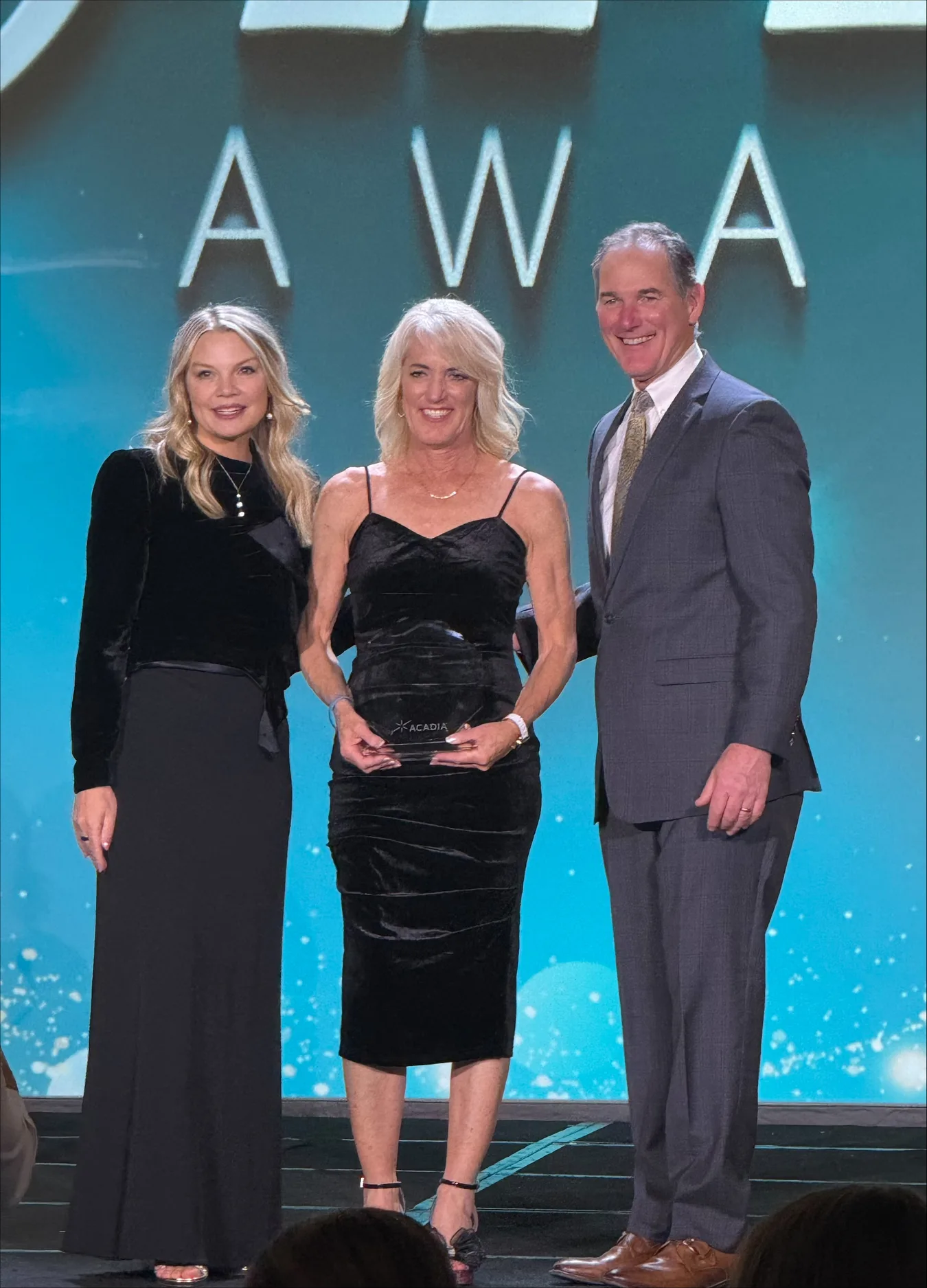
He often summarizes that mindset with a phrase that has become something of a team mantra: "One plus one equals three."
Years in, both say they’re still learning. For Michele, the appeal is simple.
"If you're in long-term care," she says, "it's a special place to be."
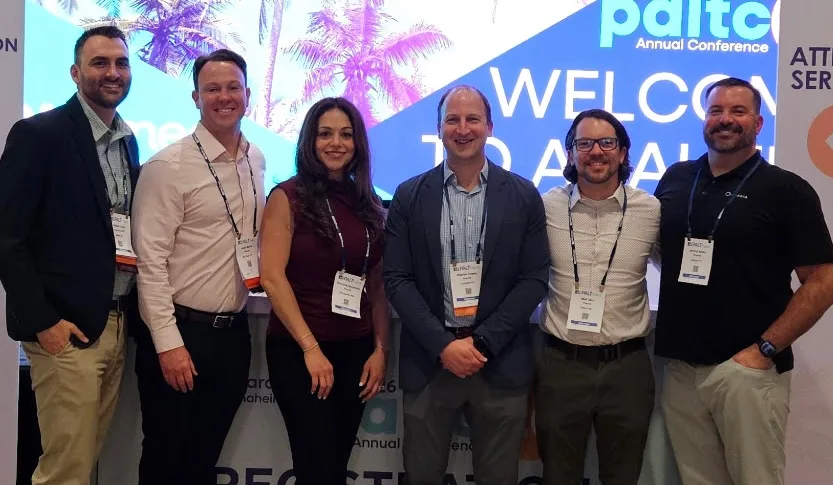
Five questions about long-term care careers
1. How do people get started in long-term care?
Long-term care professionals come from a variety of backgrounds, including pharmacy, healthcare, sales, nursing, and other fields. Michele and Matt followed different paths, but both found themselves drawn to the relationships, complexity, and continuous learning the field offers.
2. What does a Long-Term Care Specialist do?
Long-Term Care Specialists educate nursing homes, assisted living communities, pharmacies, and providers about disease states, resident identification, screening approaches, and available treatment options. They build relationships, provide education, and help connect stakeholders involved in resident care.
3. What skills help someone succeed in long-term care?
Strong communication, curiosity, persistence, and follow-up are essential. Successful professionals are comfortable navigating ambiguity, asking questions, listening closely, and building trust over time.
4. What is the culture like within Acadia's long-term care organization?
Employees describe the team as collaborative, supportive, and focused on sharing knowledge across field, medical, account management, and patient access functions.
5. What makes this work rewarding?
Many professionals point to the opportunity to help healthcare teams better understand what they are seeing and support residents who may otherwise go unnoticed.
Discover your place in long-term care
Explore open Long-Term Care Specialist and field-based roles at Acadia, and be their difference.